'Obsession' isn't just about male entitlement – I recognise my destructive fantasies here too
While most reviews of hit film 'Obsession' focussed on male entitlement, Natalie Feliks found the non-gendered themes of the film most striking.
In an era when AI is eating away at creative industries and fascism is eating away at our hope for humanity, we’ve been gifted a delicious set of horror movies of late. Some, like Scream 7 and Scary Movie, are new instalments to prominent franchises, while others, such as Backrooms and Iron Lung, are the new territory for online creators. But rising to the top of this trend is Obsession, directed by 26-year-old YouTube comedian Curry Barker. For a film inspired by an episode of The Simpsons, crafted within terminally online culture, no one could’ve anticipated its impact on Gen Z feminist discourse.
Warning – spoilers ahead!
Male entitlement in Obsession
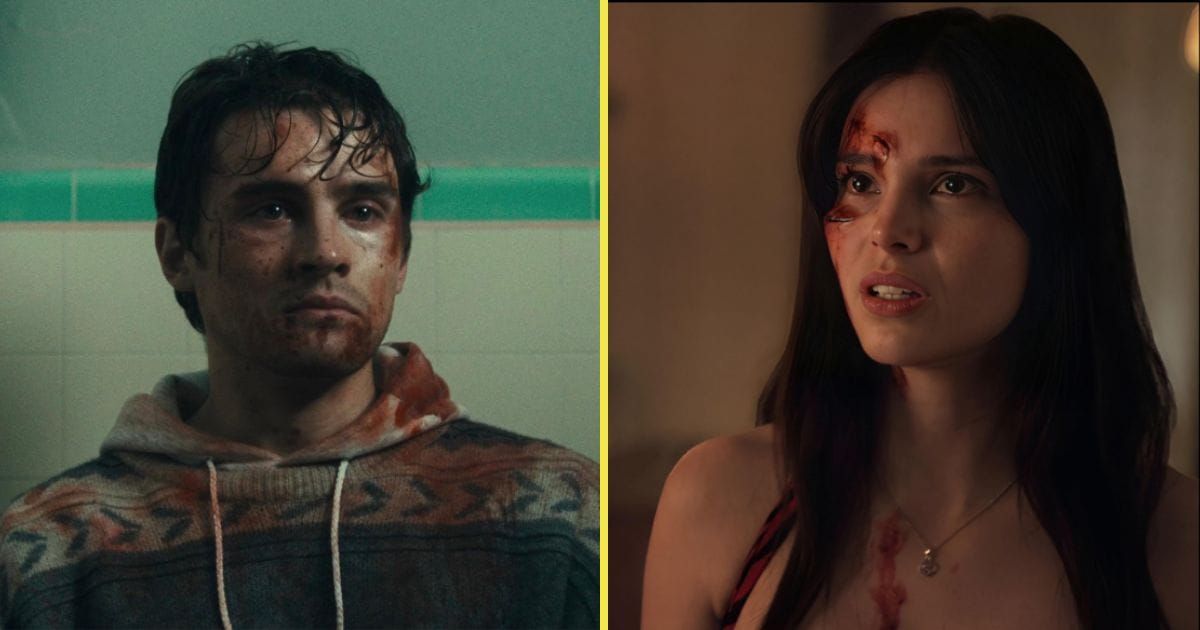
For those who don’t know, Obsession follows Bear (Michael Johnston), a lonely young guy grieving the death of his cat, who is crushing hard on his co-worker Nikki (Inde Navarrette). Despite receiving the help of their mutual friends and even being prompted by Nikki herself, Bear is unable to confess his feelings to her, so he resorts to a “One Wish Willow”, wishing that Nikki would “love him more than anyone in the world”. His wish comes true: Nikki becomes obsessively in love with Bear, and they live happily ever after...
Nah. Nikki turns into an obsessive demon, uncontrollably desperate for Bear’s attention. Oops!
Much of the commentary of this film has rightly centred around Bear and his decision to use the One Wish Willow as a “get-out-of-jail-free card” to prevent the risk of his crush rejecting him. The fact that the One Wish Willow can easily be substituted for a date rape drug makes the horror even more compelling. As feminist commentators Emma Cieslik and Anjali Patel have pointed out, the real demon in Obsession isn’t Nikki, but Bear’s entitlement and his willingness to use insidious tactics to claim Nikki as a partner. It’s Nikki who makes a creepy shrine to Bear’s dead cat, but Bear who cast the spell that made Nikki that crazy in the first place. It raises an extremely important question, as Patel writes, of why men like Bear are so severely terrified of the prospect of their crush saying no to them.
I think that framing is incomplete. I noticed that even the feminist commentators analysing the film spent an inordinate amount of time focusing on Bear, his character, his motivations, and how his actions framed the horror narrative. This wasn’t how I approached the film – I spent my viewing fixated on Nikki.